Princess Mononoke
The beauty of nature is something often only seen in documentaries or the very rare story such as The Jungle Book or The Lion King (thanks to Jon Favreau). Usually when nature is a part of a film, it’s usually utilized as more of a device to shift the thinking of a character, for a romantic moment between characters, or to show it’s destruction. Very infrequently is nature the subject of the story being told, but Miyazaki up-ended this trend and created a film entirely focused on nature, it’s beauty and those who want are forced to destroy it. Through animation, we’re able to get much more character from the world in ways that live-action often has trouble portraying. Princess Mononoke is a film that combines these two worlds and is also a welcome change from the usual for Studio Ghibli.
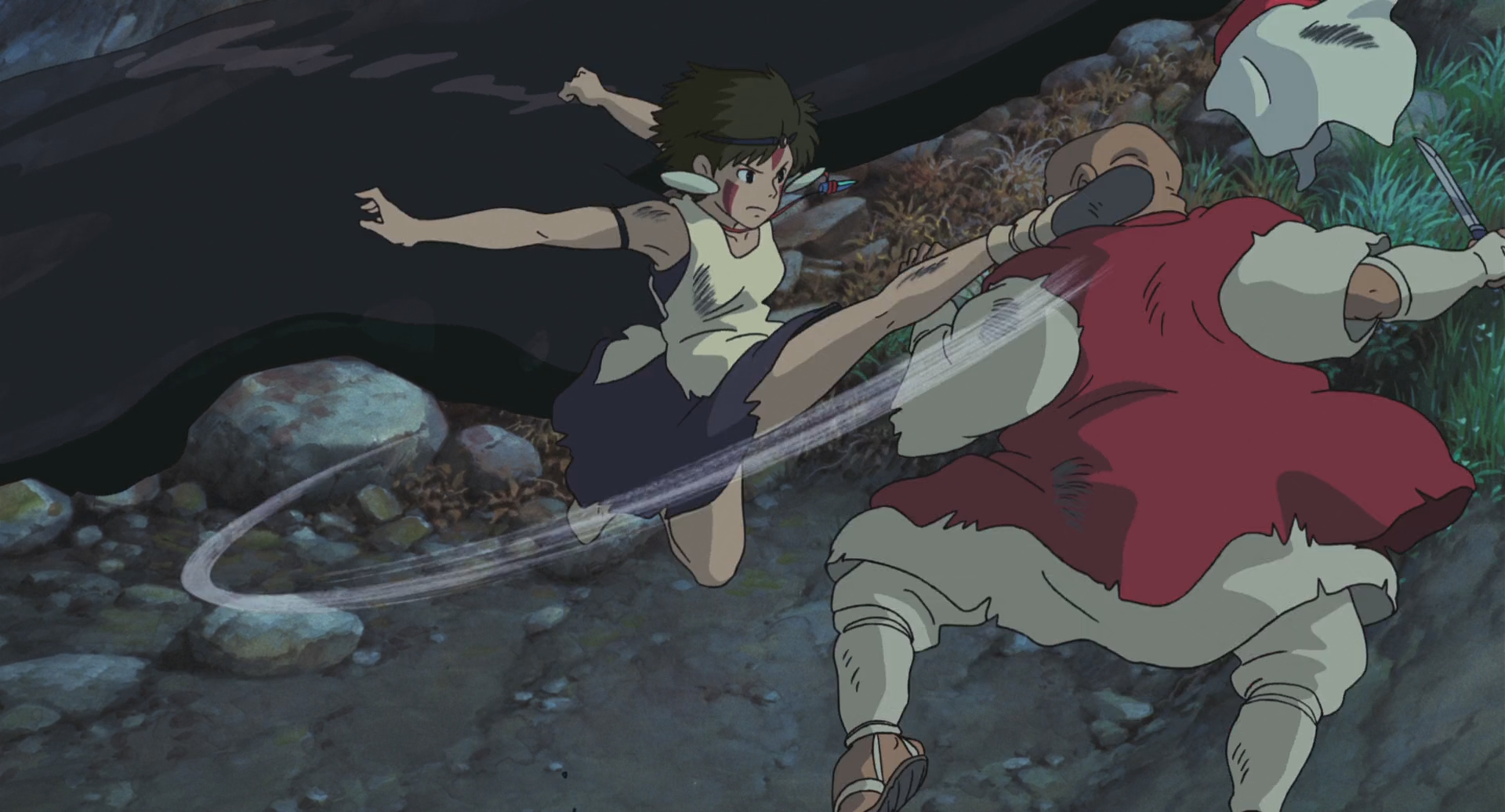
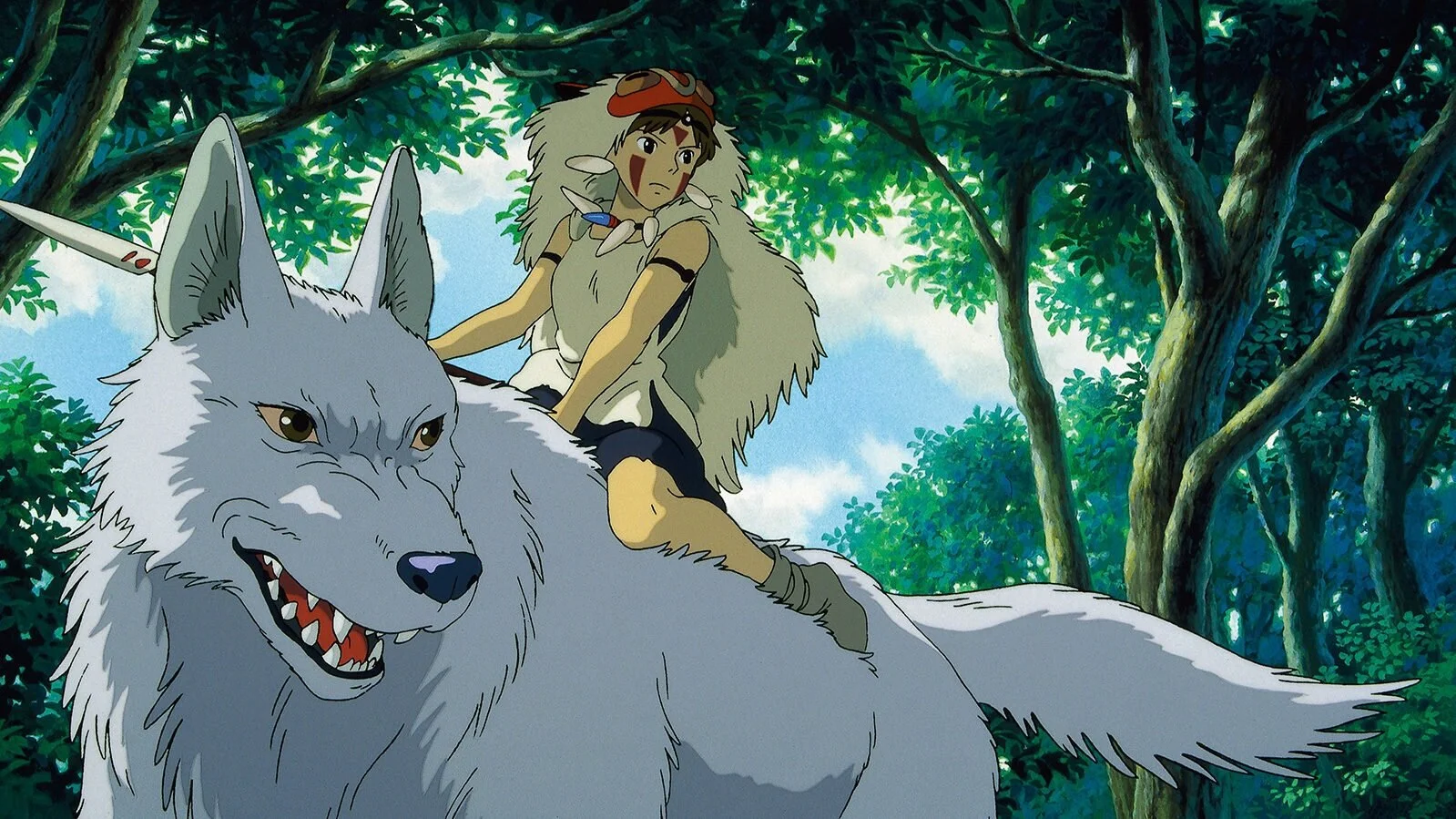
When our story begins, we’re thrown straight into a confrontation between a young man, Ashitaka, and a demon-like creature that is hell-bent on destroying his village. Riding through the woods on his trusty sidekick: the red-elk Yakul, Ashitaka is willing to lay down his life for his peers. During their conflict, he is struck by the dark tendrils coming from the demon, but is able to put down the beast. Turning out to be a boar, as the village elders gather around the creature, it speaks its proclamation of destruction for all human life. Wanting to cure himself of the dangerous illness inflicted upon him, Ashitaka is told he must leave his people forever and never return in order to find the answers he seeks. Accepting his fate, he sets out on a journey throughout the land in search of the Spirit of the Forest in hopes of healing, but comes into confrontation with a wolf-god and her human child San, along with a group of miners looking to destroy the forest to mine the precious metals below its surface.
Usually I like to spend time discussing all of the excellent talent in a film and how they impact the overall story, but this cast is excellent from top to bottom. Billy Crudup and Claire Danes are fascinating in their leading roles of Ashitaka and San, and there are fascinating supporting performances from Minnie Driver and Billy Bob Thornton. If it wasn’t clear by now, I watched the English dubbed version for this article, but my girlfriend has assured me that the original Japanese audio is good, if not better. Often is the case that in translation a story loses a lot of the emotional punch of the performances, but in the case of Ghibli’s films they are very smart about how they go about their dubs, and it feels like the film could be viewed either way and still enjoyed to it’s fullest.
What makes all of Studio Ghibli’s films so unique is the amount of themes and narratives behind their storytelling. As mentioned in the opening, the preservation of nature is the crux of everything that occurs in this film. Not coming outright as saying that nature should be preserved, but presenting the morally grey areas of this discussion through the character of Lady Eboshi, Miyazaki and Ghibli offer the debate up the viewer. Eboshi is the ruler of Irontown, and is focused on providing a better life for the people of her home. In doing this though, she has to develop the forested land around her, which means destruction of the nature. The question that arises is what is the right approach to take with this? Unfortunately, she chooses the path that seems easiest, and best for her people. There’s quite a lot to unpack in this conflict between man and nature that viewers will find themselves questioning where to keep their beliefs on this discussion.
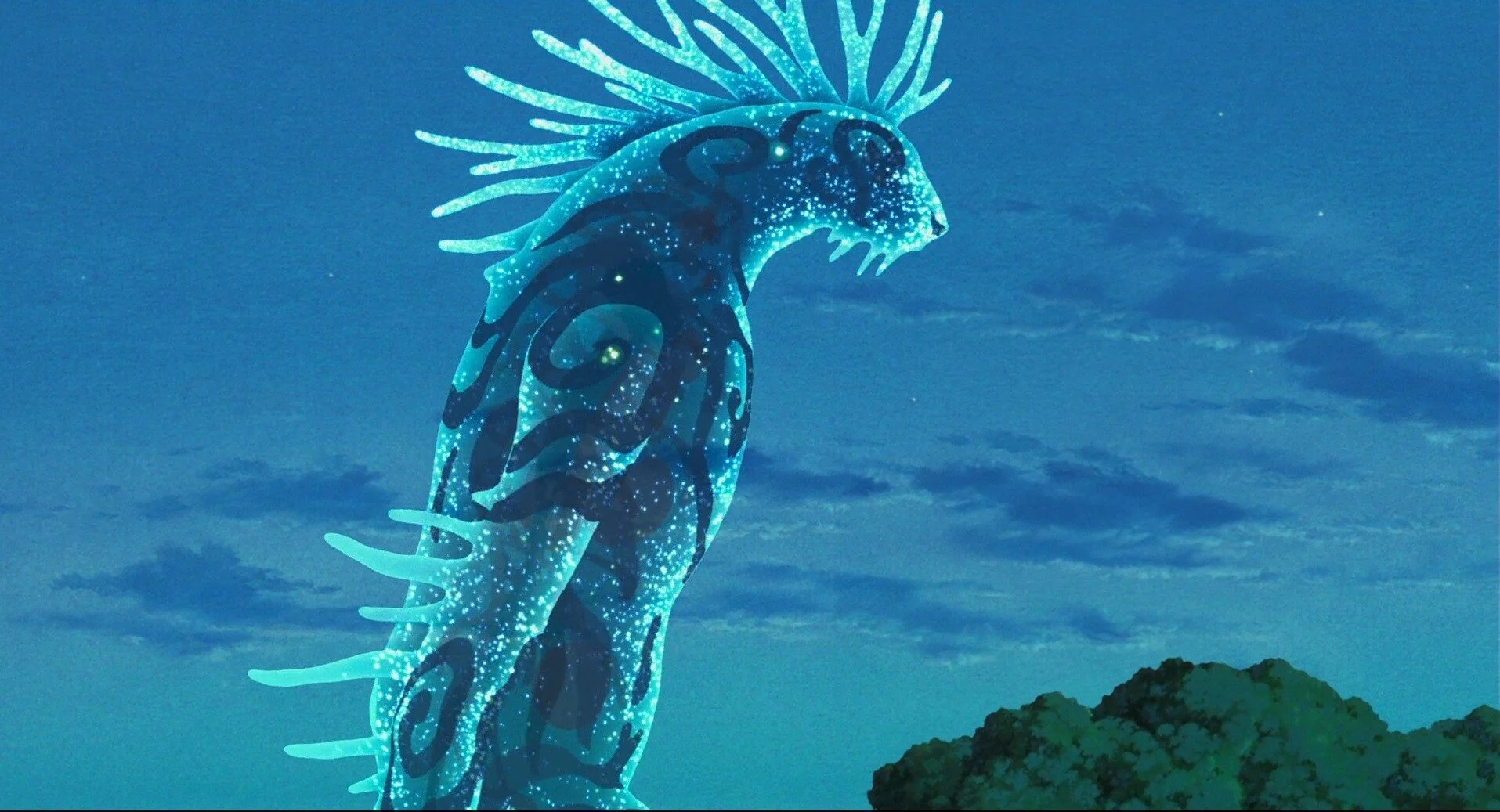
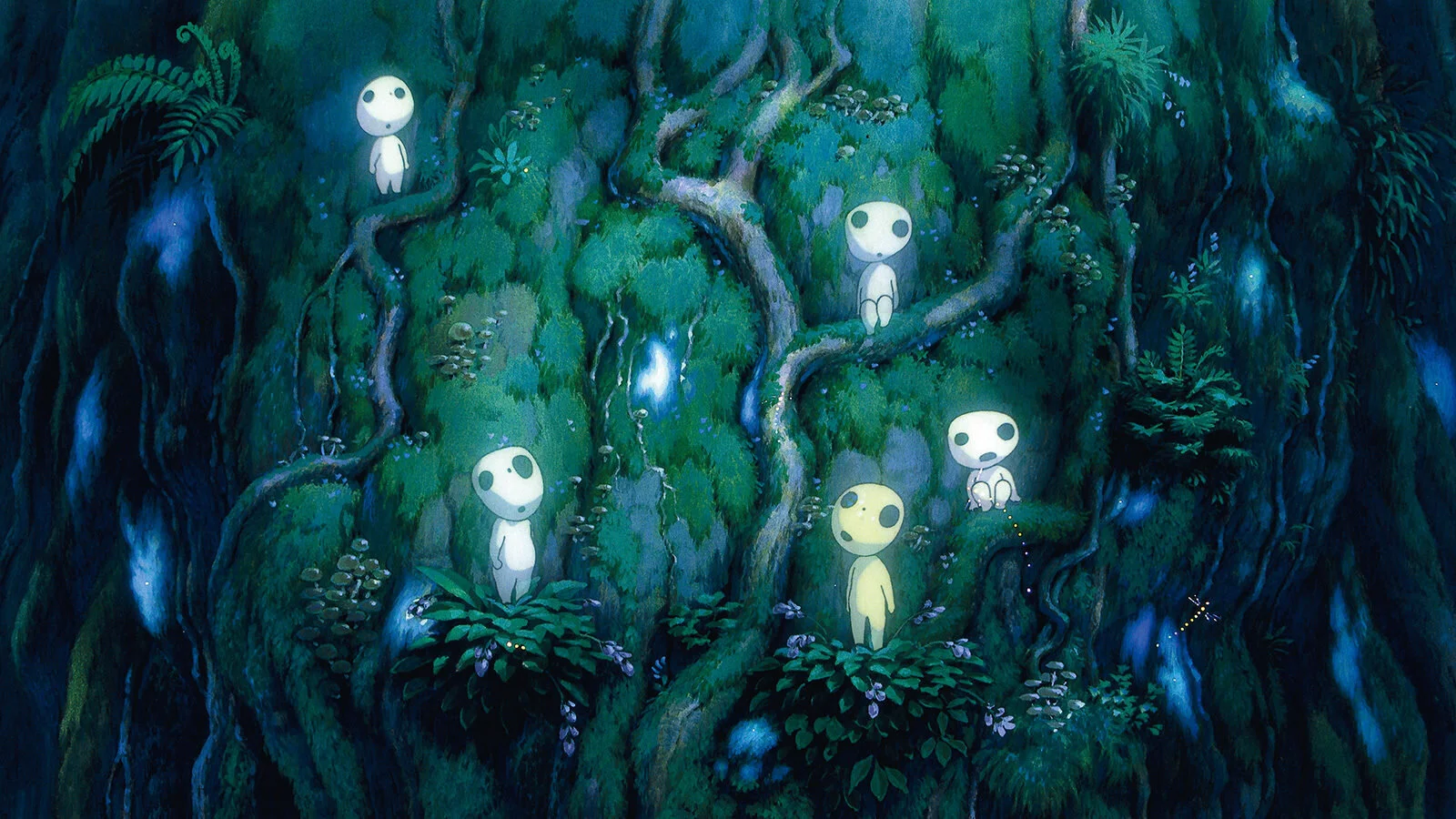
Music and visuals are key to any Studio Ghibli film, as one of the top animation studios around the globe at their peak, Ghibli is able to animate its films in a way that helps to tell the story. The color palette in this film doesn’t stick to one area of the scale, but uses everything across the spectrum in order to show the beautiful historical world in which this story takes place. The breathtaking vistas of the land make you feel like you can reach out and touch them. I specifically remember a sequence where Ashitaka is riding through the country, and even the wind gusts are hand-animated to help the scene feel alive, and it was truly magical for me. Along with the visuals, the score of this film may be the best I’ve heard yet from a Miyazaki film. Very much in the same vein his other films, instrumentals reign supreme here (specifically wind instruments) and fit well with the natural elements of the world.
Princess Mononoke is one of those films that going in may seem like a generic love story or adventure story, but there’s a lot more to this film that really surprised me throughout. Using nature not just for it’s beauty, but as a character all on it’s own allows Studio Ghibli and Miyazaki to create a world that doesn’t feel hampered by it’s setting and more philosophical elements, but enhanced by them. The relationships between characters are unique and also make sense given the context of their world. All of this together creates an excellent fantasy, mystical, and overall powerful story that begs to be thought about long after it’s credits roll.
This week we took a break from The Rise of Skywalker continual pieces, but next week we’ll return with the promised discussion of Ben Solo and Luke Skywalker!