The Clone Wars: Season 7
In the early 2000s at the dawn of the prequel era, Attack of the Clones and Revenge of the Sith had teased small bits and pieces of a galaxy wide conflict that led to the fall of the Jedi Order and the rise of the Galactic Empire. At the time, the most storytelling we ever received on this period was a small mini-series in the lead up to the original final film of the saga, and many thought that would be all we ever received.
Sidestepping that belief, in 2008, The Clone Wars released into theaters, and the first season of the on-and-off again series began. Garnering a cult following by Star Wars fans across the globe, it became an instant success for Lucasfilm Ltd. But, with Disney’s acquisition of the company, The Clone Wars’ future was left in the dark. A shortened season was released on Netflix entitled “The Lost Missions” and afterwards the series passed into the annals of history.
But, after seeing the demand from the fanbase for Dave Filoni to finish the story the right way, Disney greenlit this final season of the show, 7 years after it originally ended. Discussing his interest in showing Ahsoka Tano’s story collide with Anakin’s downfall, Filoni promised a heart-wrenching, but powerful ending to the fan favorite series. With that, 12 episodes and 3 story arcs long demanded to be completed finally hit the screens of Disney+.
Bad Batch
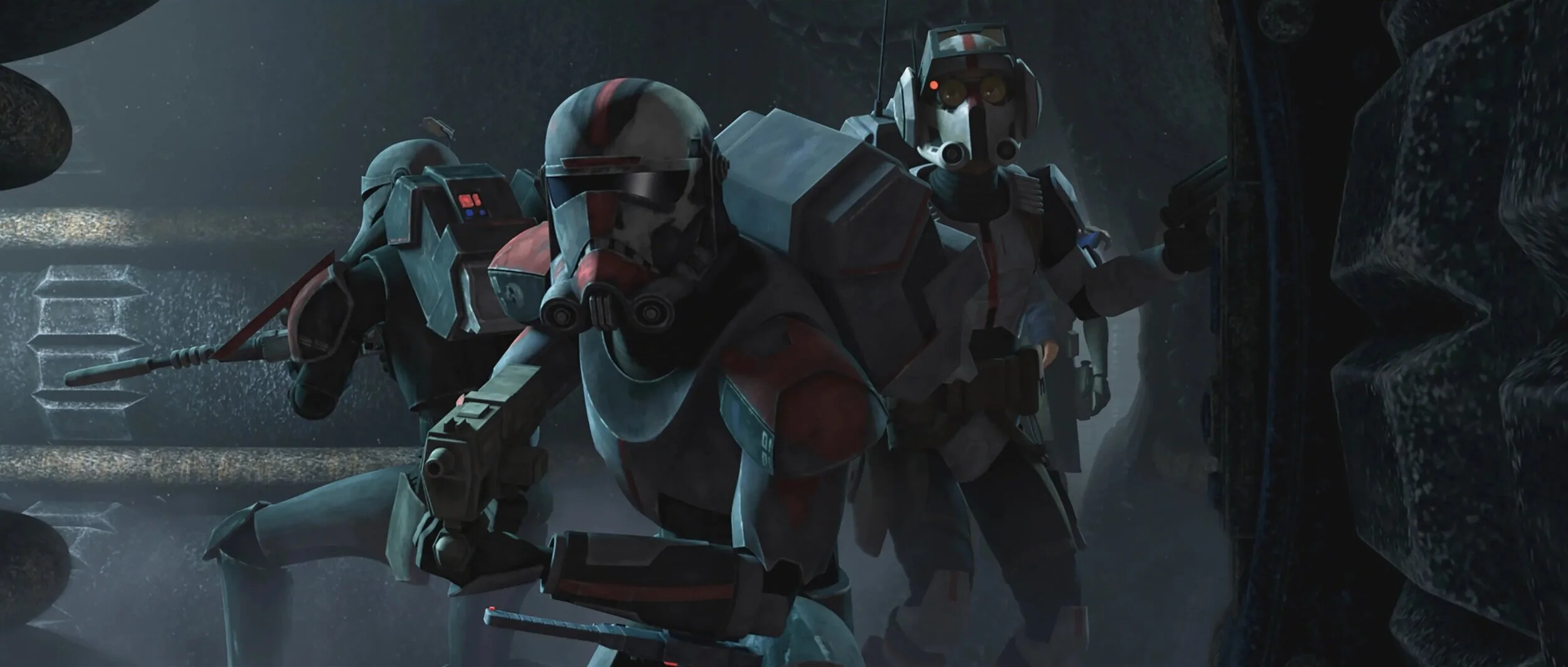
Truthfully, there isn’t a ton for me to say about this arc. I wanted to love it, and I know many who do because it finally introduces Clone Force 99, or the Bad Batch. A group of clones with useful mutations that help to differentiate them from the rest of the Grand Army, the Bad Batch works along with Captain Rex and Anakin Skywalker as they seek out the reasoning for a string of Separatist victories on the planet Anaxes. Seeing Rex work with a different style of Clone who isn’t used to the standard fair of war is interesting, and it helps him understand the differing brotherhoods among them.
The Bad Batch, at least for me, was a rather boring group of characters that feel like they’re supposed to be much more enjoyable than they end up being. The real meat of this storyline is a spoiler from the first episode, and that twist is something I really ended up enjoying. I won’t say any more than that, but you’ll know what I’m talking about when it happens.
Another interesting part of this story is seeing the relationship between Anakin, Obi-Wan and Rex, brothers and friends in war. Early in the opening episode, Anakin and Rex discuss a “task” that needs to occur before their mission, only for that task to be revealed to be allowing Anakin to have some one-on-one time with Padme. Yes, Rex knows about Anakin and her, and he helps by keeping a look out for Obi-Wan. When he does arrive, he chooses to tease the young Jedi about the relationship, not criticize him. It’s a nice revelation to show that many of those close to Anakin weren’t blind to his affairs. Perhaps a mistake in the long run, but at the time, absolutely the right decision by Obi-Wan to allow a man with the weight of the galaxy on his shoulders to have some form of private life. In the end, this arc worked for me more on its myriad of small moments rather than the overall narrative, and the relationships it shows between some of the main characters is why I would consider returning to re-watch it to give it another chance to endear me.
Ahsoka’s Journey
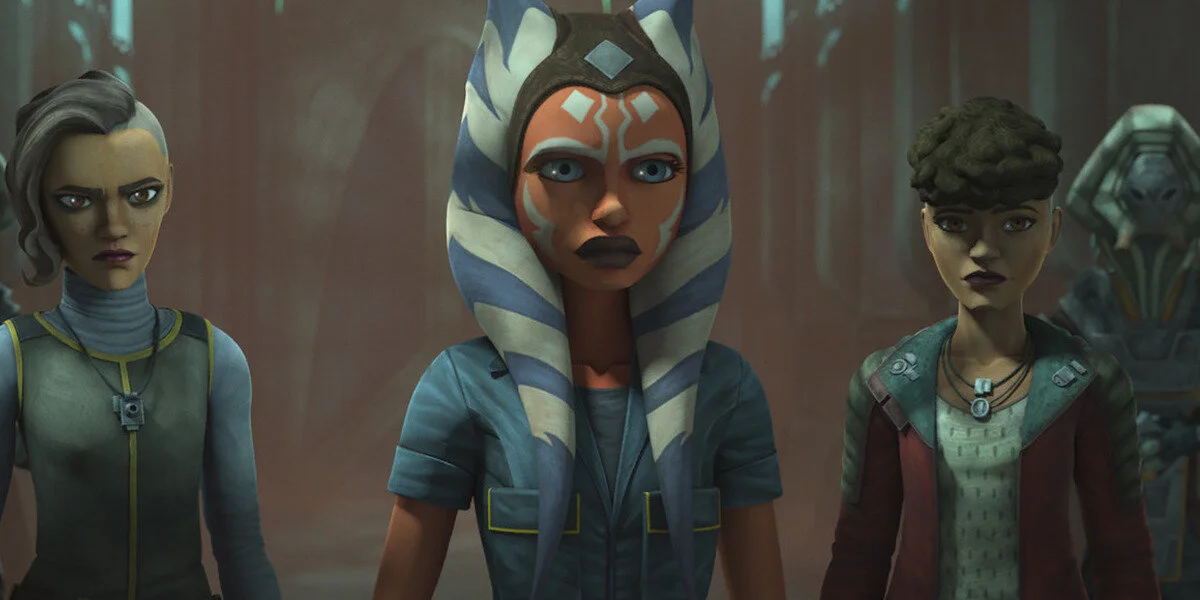
The most divisive of the three story arcs to come from this final season comes in the form of the aftermath of Ahsoka’s decision to leave the Jedi Order behind. Much of the disdain from viewers of this arc is in the form of the Martez sisters, Ahsoka’s companions and the overall through-line for the narrative outside of her own inner turmoil. For me though, this story is necessary to tell, and while the sisters seem more like a plot device rather than truly strong characters, I find that their presence really helps to set up our lead for what comes next in the Mandalore arc.
The crux of this arc is that Ahsoka happens up Trace Martez, the younger sister of Rafa, and begins a unique relationship with them and learns of their family history and struggles in a world not meant to support the downtrodden. Throughout the history of Star Wars, we barely ever get to see the lives of those who live below the surface of the planet, at least not those who simply want to get by. While the Martez sisters may have odd ways of doing it, they both only want to provide for eachother. It’s a common and understandable emotional path for these two that I feel makes it rather relatable to the viewer, and allows you glimpse the world beyond the light and the dark.
The problems for me in this arc lay in the use of the Pykes, and what feels a bit like unnecessary filler beats. A story that could have been told in three parts, it stretches too long as the group finds themselves on Oba Diah, and although some of the story bits help to show Ahsoka’s growing understanding for the wake caused by the actions of the Jedi, it often just feels a bit too long. In the end, it wasn’t an incredible arc, but it helps to set up the final story of The Clone Wars in a good way, and shows us why Ahsoka has changed.
The Siege of Mandalore
THE arc of the season and really the entirety of the series of The Clone Wars, The Siege of Mandalore is everything great about this show and helps to really show just why it was created in the first place. A show that originally was meant to give more context to Anakin’s fall and more story to the hundreds of Jedi seen in passing throughout the films, it eventually became a means to show the humanity of war, and the ripple effect of every person’s actions. Throughout this arc, there’s a multitude of small choices that could have led to a massive shift in the landscape of Star Wars, and for me, that’s what really makes this so incredible.
Immediately, something that is without question the best it has been is the music, lighting, and animation of this arc. Seeing General Grievous for that split second he is shown, in what appears to be almost a photo-realistic shot was an immediate hint that this is going to be something different than what has come before. Passing on the introductory narration and choosing to return to the original Lucasfilm Ltd. logo was an excellent decision to evoke the history that comes with The Clone Wars, and showing it finally coming full circle.
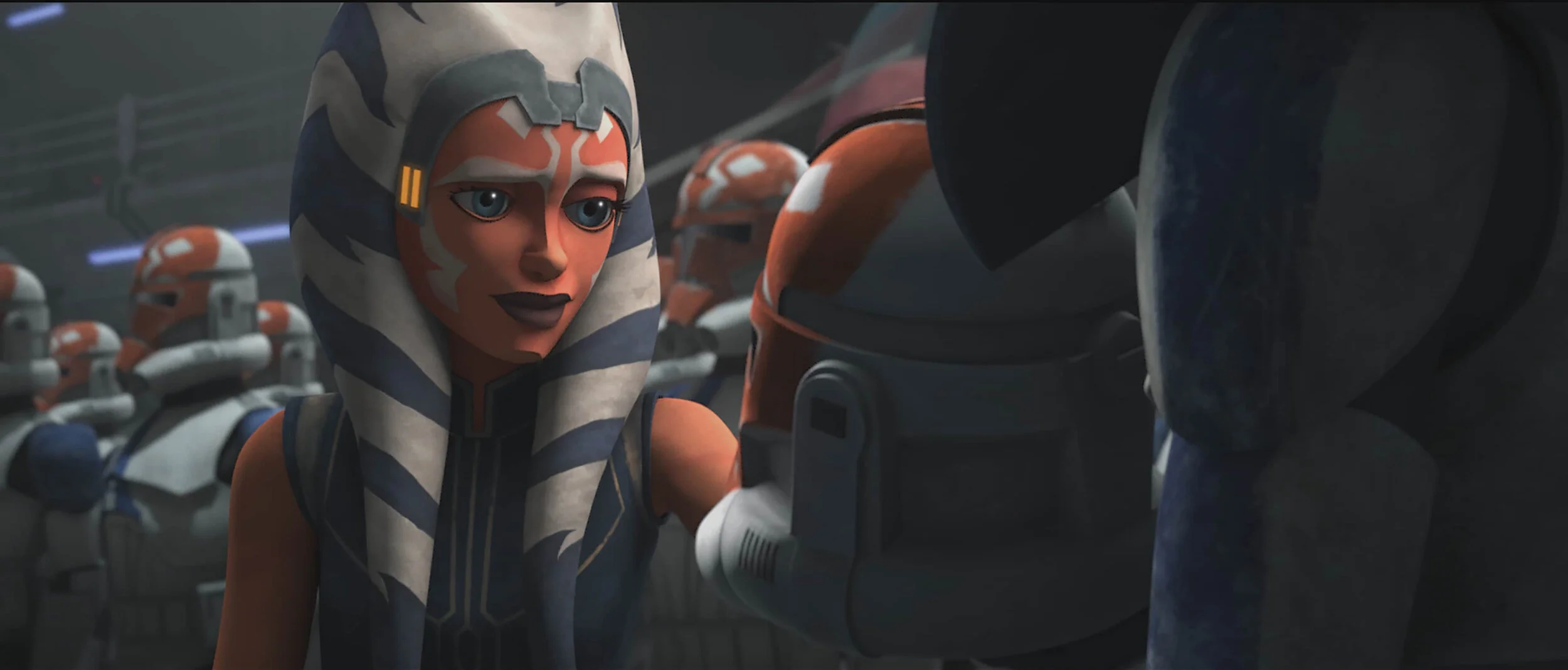
While I won’t spoil the arc, and it is extremely hard not to just explode into discussion about it, The Siege of Mandalore allows you to buy into Ahsoka Tano’s struggles, and to see the heroes that are Anakin Skywalker and Obi-Wan Kenobi one last time before the events of Revenge of the Sith. The reunion of Ahsoka and her master is incredibly heartfelt, but also helps to show just how different these two are. Once they were very much similar people, operating in similar ways, but since she has left the order Ahsoka has grown up, and learned the harsh reality of the war abound. Anakin on the other hand, continues to act on his violent instincts and childish beliefs. So when he greets her and sees that she isn’t as excited as he is, it’s a shock to his system and helps to lend credence to his growing isolation that we see boil over later on.
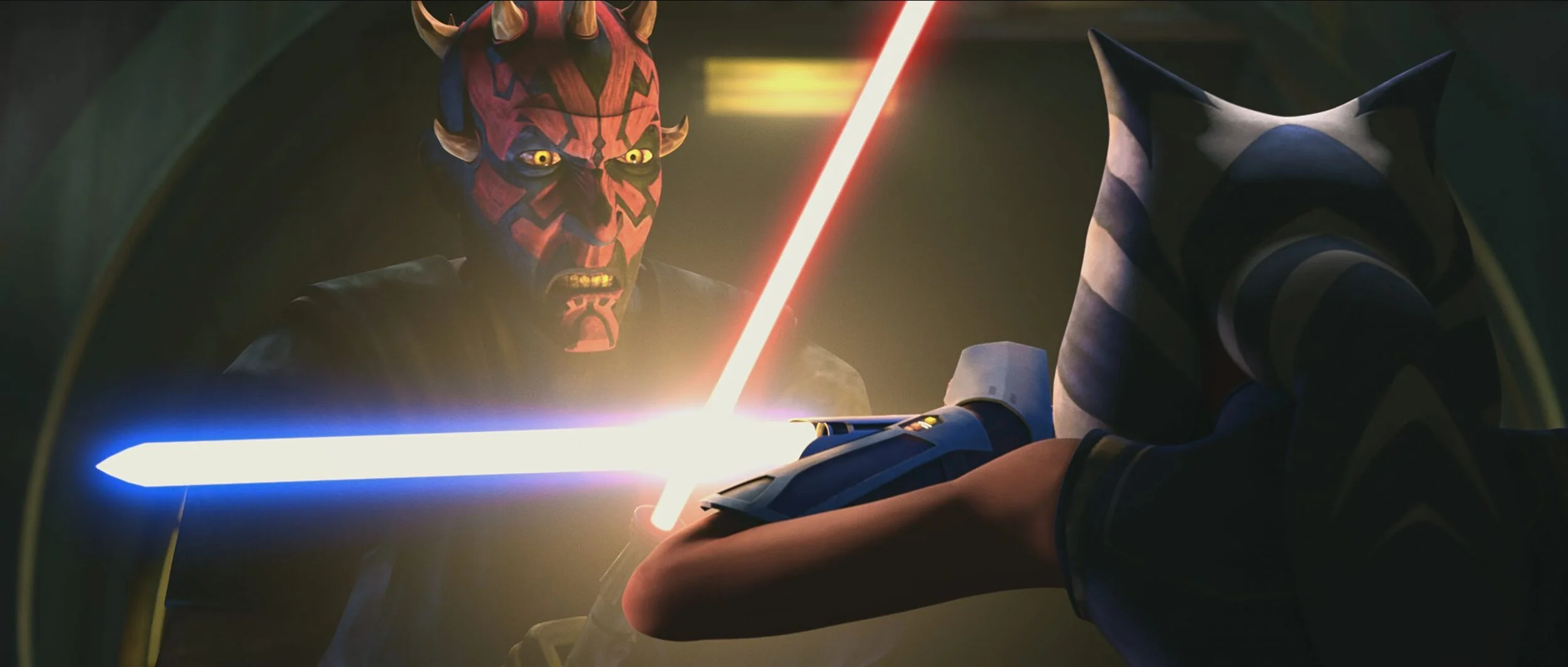
Maul, the main villain of this arc, is absolutely incredible in this story as well. The leader of multiple crime syndicates, and the defacto ruler of Mandalore, he’s a man scarred by visions of the future and what lays beyond. Sam Witwer continues to give life to the greatest re-invigoration of a character Star Wars has ever seen, and allowing Ray Park to inhabit the body of the character one final time was an excellent creative direction by Filoni and co.
Ashley Eckstein as Ahsoka Tano is at her very best here, and her relationship with Dee Bradley Baker’s Captain Rex is the true lifeblood of this final story. Ahsoka has grown up, she has learned from the world around her, and she wants to help free the people of Mandalore from the tyranny that is Maul. Seeing how her story plays around with the timeline of Revenge of the Sith, and how similar story beats line up is a great way to keep track of time, and help to build that growing sense of dread in the overall narrative as Order 66 grows ever closer.
All in all, The Siege of Mandalore is without question The Clone Wars at it’s very best, and with it being created almost definitely to be seen as one long form piece, it’s so very fitting that as this series began as a much maligned film, it exits on a much better one that gives true closure to these characters stories, at least for the time being. For those who are fans of the franchise, you most likely already know that many of these characters return in Rebels many years later, but even with the reality that they make it through the events that occur here, it’s hard to still not feel concerned and anxious over the outcome of this narrative.
For those who are new to this show, I wouldn’t recommend this arc as the beginning of your journey, as The Siege of Mandalore is the pay-off to years of character development done throughout the seasons and stories that came before. Use it as a reason to push through the show, as even before Mandalore there are many incredible arcs and moments that help to endear all of these characters to you. I hope you find as much enjoyment in it as I have, and I can’t wait to see even more animated and live action stories from this universe.
What lies ahead?
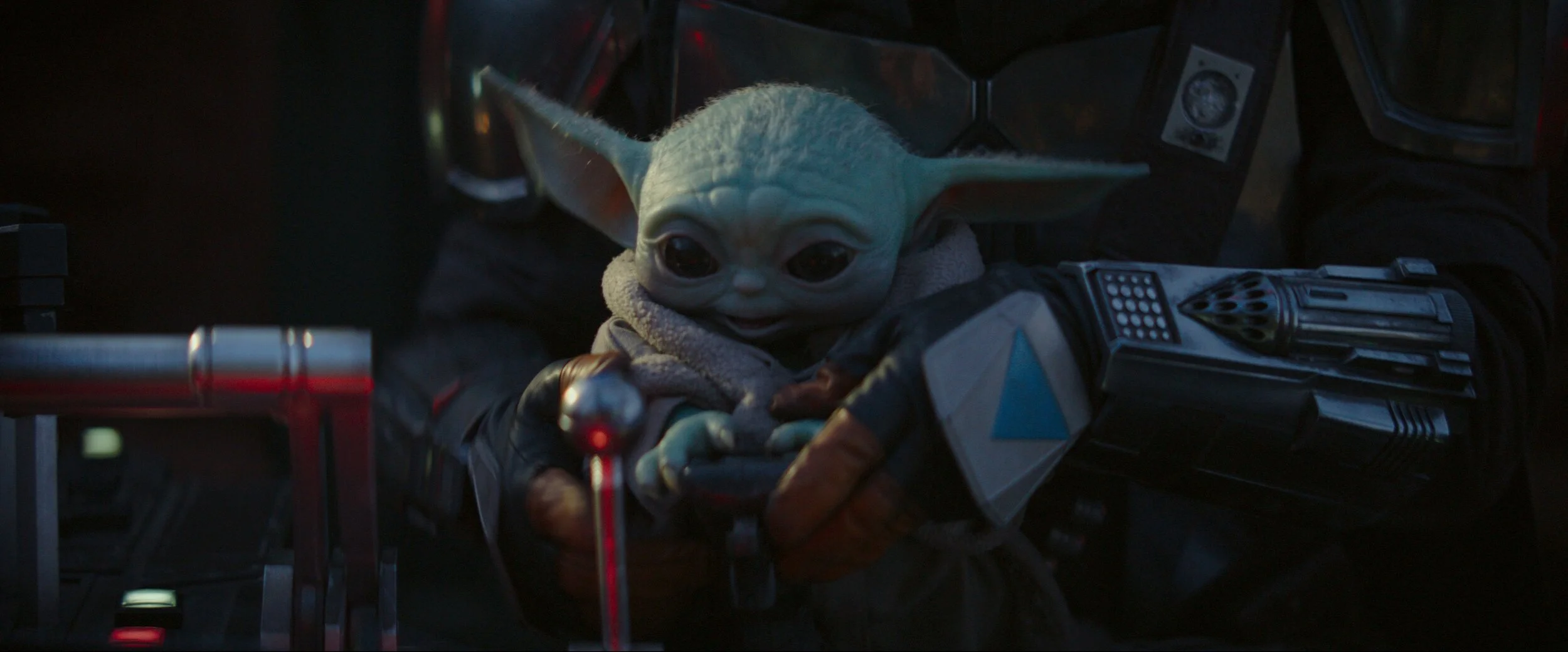
I know I had mentioned in the past that I wanted to write about The Mandalorian’s first season, and I still intend to do that. I’m not sure specifically on my plans to complete that re-watch for a discussion, but I do feel I owe it to myself to reflect on it in a similar manner to what I have done here. There’s so much great Star Wars still on the horizon, and with the world on pause it feels like just the right time to get invested in some of the stories once again. May the force be with you all, and I’ll see you again next time.